

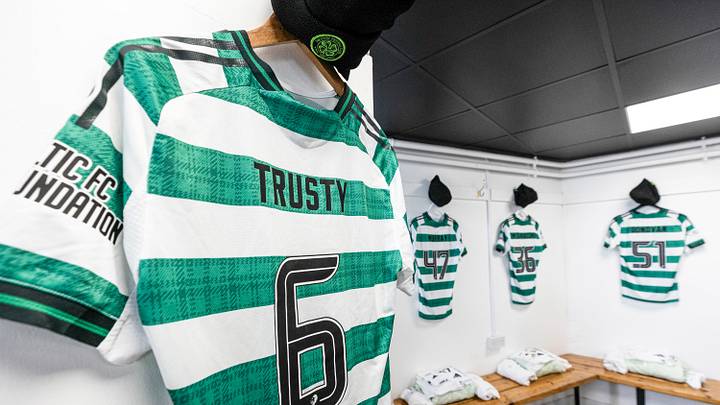
Celtic shirts have been caught up in a BBC Sport investigation that has exposed some of the poor working conditions faced by workers producing them.
Football shirts have skyrocketed in price over recent years, causing an explosion in cheaper 'fake' shirts on the market. For the official shirts, fans are being asked to pay upwards of £70, and the current Celtic shirts cost £75.
It is becoming increasingly less affordable for the average fan to purchase a shirt at the club store, which is why the fake shirts are now being pursued by many, especially due to the increasing quality of them.
Research published last year claimed that, when breaking down a £85 shirt, £8.50 covers fabric, sewing and shipping, £37.45 goes to the retailer, £16.25 to the manufacturer, £9.50 goes towards marketing and £13.60 to VAT.
Now a fresh investigation from the BBC has showed factories ued by Adidas in Cambodia are paying workers less than £1 per hour. Workers interviewed say they are dealing with around 700 items per day and struggle to make ends meet.
While Adidas do not own the factories, they are still still subject to their workplace standards. And a photo obtained by the BBC shows a room with a large Adidas brand on the wall, along qith manequins wearing a number of clubs' shirts, which includes the Celtic home and away shirts.
The wages, which include a monthly salary of $210-$220, comply with local standards, but one worker in the Bowker factory said: "It's hard to live with this amount.
"I want international customers to hear that one shirt they buy costs more than two weeks' salary for a worker. Every one of these shirts contains the sweat of Cambodian workers."
Adidas has said average net wages across a sample of its Cambodian suppliers were 34% above the Anker Research Institute's living-wage benchmark.
The teamwear market is worth billions of pounds, so it's clear Adidas and others are making a choice to exploit markets where wages are low in order to maximise profit. That is not unusual in the clothing industry, where products are usually made very cheaply by third-world companies and sold in first-world countries for a significant profit.
But whatever football fans decide to do with their money, they should know the truth about where their money is going. Meanwhile, brands continue to cite the improving technology of shirts and expensive manufacturing deals with elite clubs as the reason for the seemingly ever-rising cost of shirts.
 Add us as a preferred source on Google